Transparent Solar Windows: BIPV's Quiet Breakthrough
Building-integrated PV is no longer a curiosity. Modern transparent panels hit 12% efficiency at 50% visible transmission.
Building-integrated photovoltaics (BIPV) — solar built into walls, windows, and roof tiles — has been five years away for fifteen years. In 2025-26, that finally changed. The combination of organic photovoltaics, perovskite tandems, and quantum-dot luminescent concentrators has produced commercial transparent panels at 12% efficiency and 50% visible light transmission.
How transparent PV works
Three competing approaches: (1) crystalline silicon with micro-spaced cells — high efficiency, low transparency, visible 'window blinds' aesthetic; (2) thin-film amorphous silicon — lower efficiency, but uniformly translucent; (3) organic photovoltaics (OPV) and quantum-dot concentrators — moderate efficiency, near-invisible because they absorb only UV and IR while passing visible light.
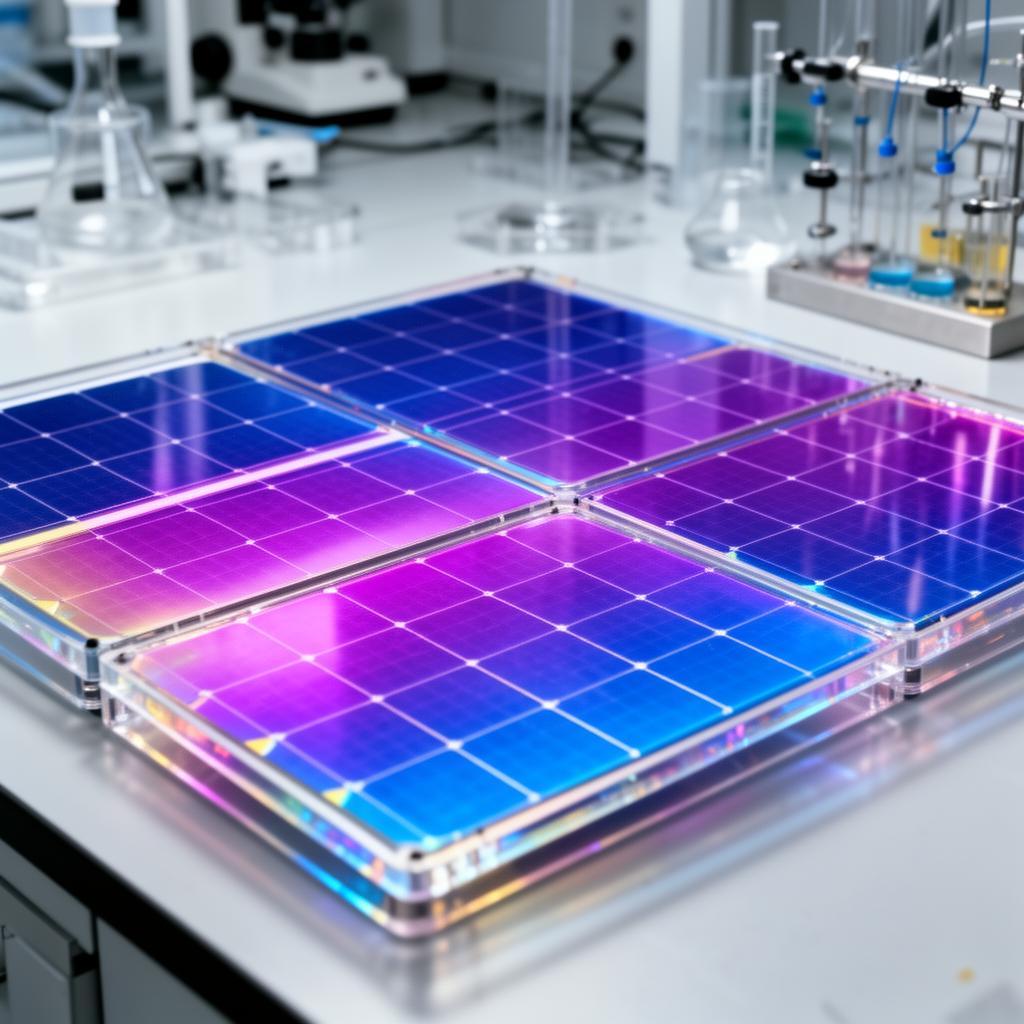
OPV is the breakthrough technology. Ubiquitous Energy's transparent OPV cell absorbs 84% of UV and 67% of near-IR while transmitting 91% of visible light — appearing as ordinary clear glass with a faint blue tint.
Where it makes commercial sense
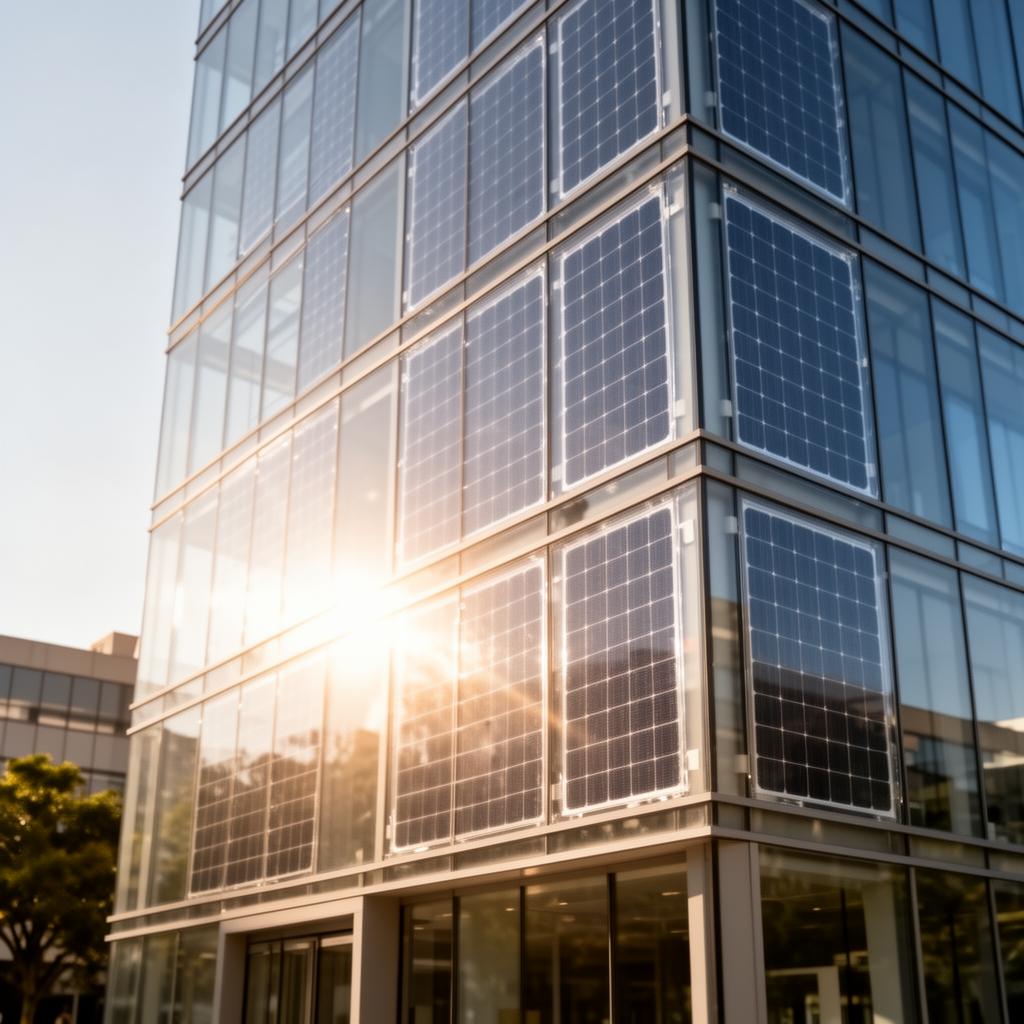
Commercial facades drive the BIPV economic case. A modern office tower has 4-8× the south-facing glass area of its roof. Even at 7% efficient OPV, a 20-storey London office could generate 380 MWh/yr from south and east facades — enough to offset ~30% of building plug load.
Atria, conservatories, and pergolas are the easiest residential applications. A 40 m² south-facing conservatory roof with OPV generates ~3,400 kWh/yr while still functioning as a conservatory. The cost premium over standard glazing is £4,800-£8,200; payback 9-12 years.
| Maker | Technology | Efficiency | £/m² installed |
|---|---|---|---|
| Polysolar | a-Si thin film | 8% | £480 |
| Onyx Solar | Mono c-Si spaced | 13% | £620 |
| Ubiquitous Energy | OPV | 9% | £780 |
| Heliatek | OPV flexible | 11% | £540 |
| AGC SunEwat | Mono c-Si laminate | 15% | £710 |
Residential reality check
For domestic homes, the economics of solar windows rarely beat rooftop solar. A standard 6 kWp roof costs £7,200 and generates 5,700 kWh/yr (£0.21/kWh capex efficiency). The same energy from solar windows would cost £30,000+ at current pricing.
The exception is conservatories, glazed extensions, and pergolas where the glass would exist anyway. Here the cost premium over standard double-glazed is the only number that matters, and payback can drop below 10 years.
What's coming
Perovskite OPV hybrids in the lab are hitting 18% efficiency at 30% transparency. Commercial product is expected from Heliatek (Germany) and First Solar (US) in 2027-28. At that performance, residential conservatory PV becomes economic without subsidy.
Building Regulations are catching up: Part L 2027 (consultation Q4 2026) is expected to credit BIPV against the dwelling primary energy target, which would meaningfully change new-build specifications.
Frequently asked questions
Q.Are solar windows visible from inside?
A.Modern OPV has a faint blue tint similar to high-performance solar control glass. Spaced-cell crystalline is more obvious.
Q.Do they work on cloudy days?
A.Yes — efficiency degrades proportionally with light. UK winter output is roughly 25-35% of June output.
Q.What's the lifespan?
A.OPV: 15-20 years (newer chemistry, less long-term data). Crystalline laminate: 25-30 years (comparable to standard panels).
Q.Can I retrofit my house windows?
A.Possible but rarely economic. New build or extension is the right time to specify BIPV.
Ready to put this on your driveway?
Get a personalised quote in 90 seconds. No call required, no sales pressure.