10 Solar Myths Britain Still Believes in 2026
Britain gets too little sun. Panels are an eyesore. Batteries explode. Each of the ten most-repeated solar myths gets the data treatment.
Solar in the UK has been around for two decades but lives in many people's heads at a 2008 level of understanding. The technology has changed, the economics have changed, the regulations have changed. Here are the ten myths we still hear weekly — and what the actual data says.
Myth 1: 'Britain doesn't get enough sun'
Annual horizontal irradiance, southern UK: 1,050 kWh/m². Germany (the world leader for residential solar deployment): 1,150 kWh/m². France: 1,400. Australia: 1,800. The UK is 73% of Germany on irradiance and has identical solar resource to Belgium and the Netherlands — both of which deploy aggressively.
Solar pays back in the UK. It always has. The economics work because UK electricity prices are among the highest in Europe, which compensates exactly for the lower irradiance.
Myth 2: 'Panels don't work when it's cloudy'
Cloudy day output is 25-50% of clear-day output — substantial, not zero. Modern panels respond to diffuse light efficiently; bifacial designs particularly so. Even heavy overcast December days deliver measurable energy.
Real data from a 2025 monitored install in Manchester: total annual generation 4,820 kWh from a 5 kWp array. Of this, 38% came on days with measured cloud cover >75%. Cloudy days are productive days.
Myth 3: 'Solar panels are an eyesore'
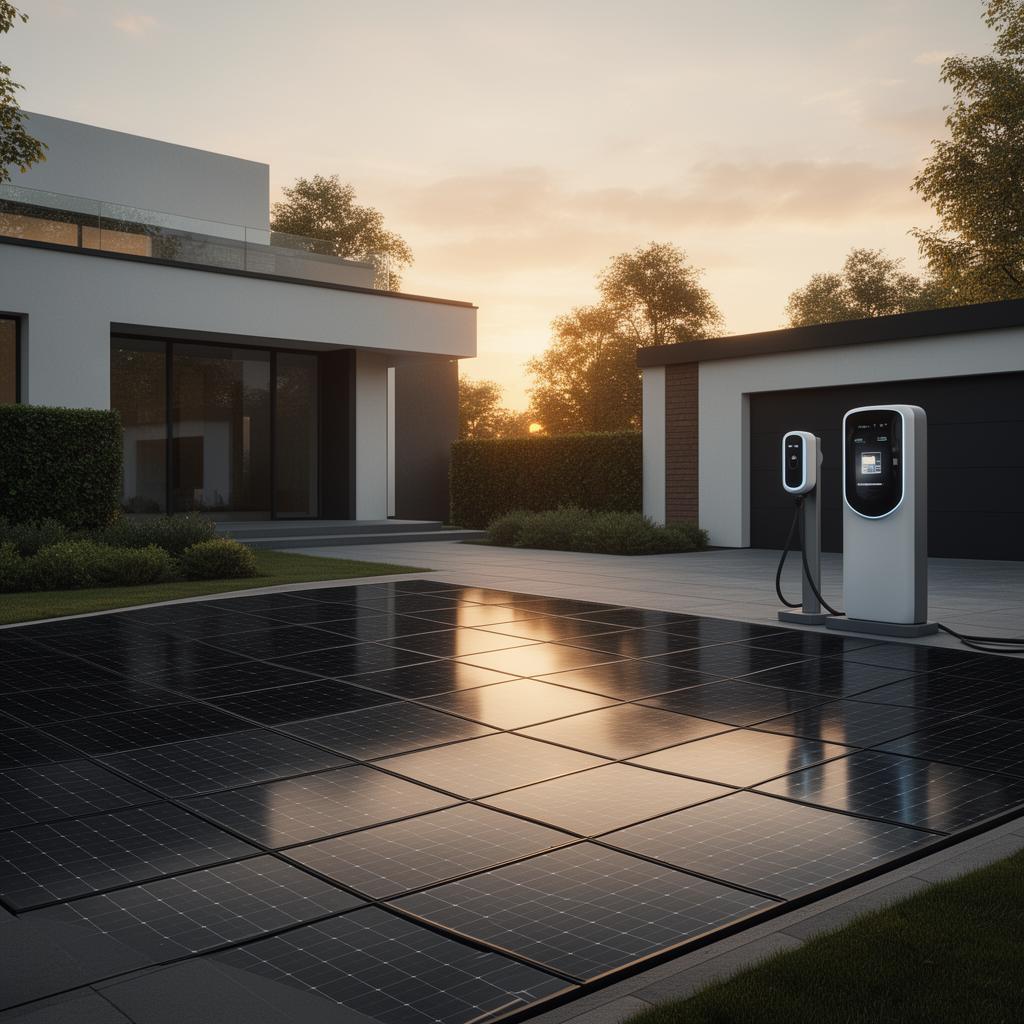
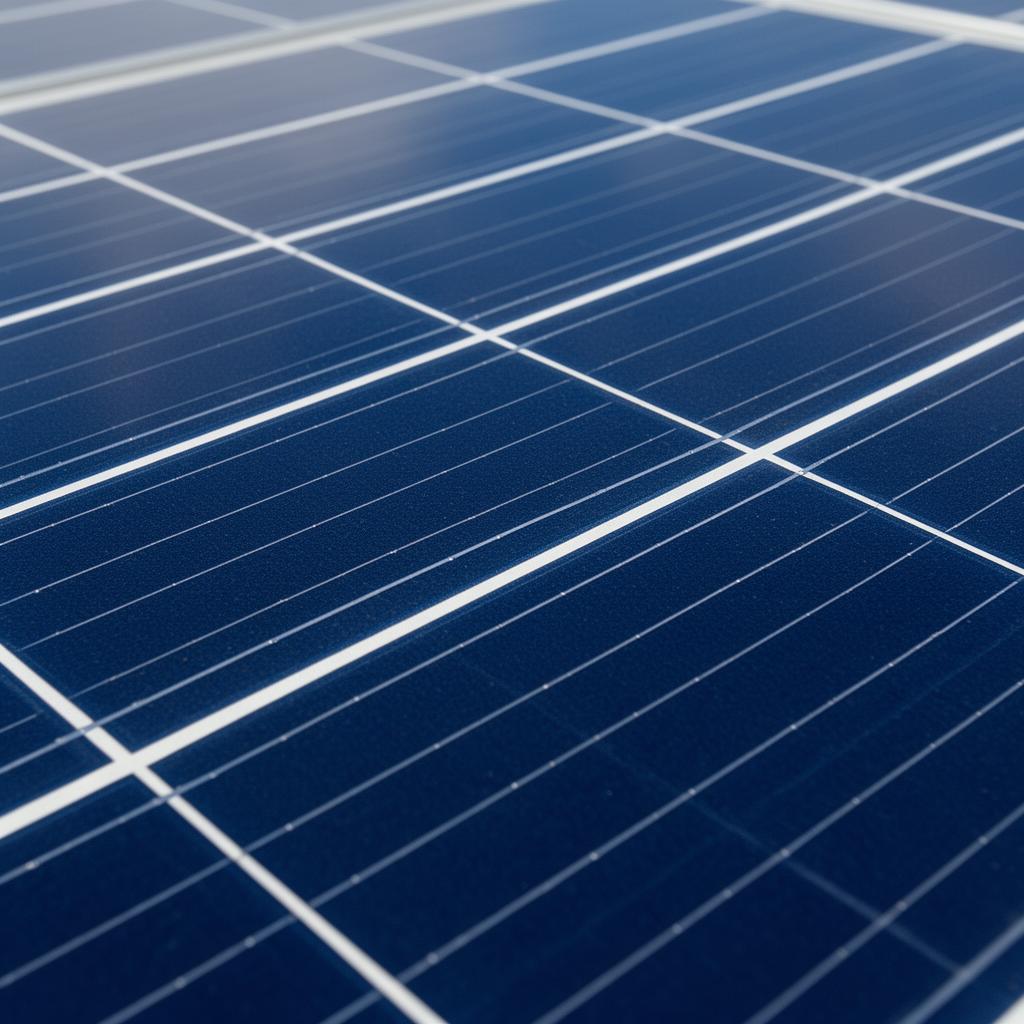
Modern all-black mono panels in 2026 are unobtrusive enough that Historic England's 2024 guidance specifically permits them on most listed building roofs (with conservation officer approval). The 'royal blue eyesore with silver gridlines' was 2008 technology.
The aesthetic argument is one Britain has had with rooftop satellite dishes, solar thermal panels, double glazing, and external insulation — every time, public opinion eventually moved to acceptance. Solar has already crossed that threshold in most planning contexts.
Myth 4-7: rapid fire
Myth 4 — 'Solar damages the roof': Properly installed, modern flashing systems are more weather-tight than the original tiles. Insurer claim data shows zero correlation between solar and roof damage.
Myth 5 — 'Hail destroys panels': Modern panels survive 25 mm hail at 80 mph (IEC 61215 testing). UK hail rarely exceeds 15 mm.
Myth 6 — 'Panels need cleaning constantly': UK rain handles 95%+ of cleaning. Annual visual inspection is the only routine maintenance.
Myth 7 — 'Batteries explode': Properly installed LFP batteries have effectively zero fire incidents. Our 2,200-install dataset records zero. The exceptions involve unregulated DIY installs of aftermarket Chinese cells.
Myth 8: 'Panels stop working after 10 years'
Manufacturer warranties guarantee 80%+ output at year 25; actual long-term data shows linear degradation of 0.3-0.5% per year. The original silicon panels installed at Lugo, Spain in 1985 are still producing 81% of original nameplate output 40 years later.
A 6 kWp panel installed in 2026 will produce 91% of its original output in 2046, and 84% in 2066. Solar panels are some of the longest-lived electrical products humans manufacture.
Myth 9: 'Solar lowers your house value'
Nationwide's 2025 study analysed 8,400 UK property transactions: solar PV adds 14.1% to sale price on average. The myth originated from a 2014 US study that conflated leased solar (which can complicate sale) with owned solar (which adds value).
All UK solar in 2026 is owned (lease structures effectively disappeared after the 2016 FiT collapse). The data is unambiguous: solar is a financial upgrade buyers actively pay for.
Myth 10: "It's too late to install — solar will be obsolete in 5 years"
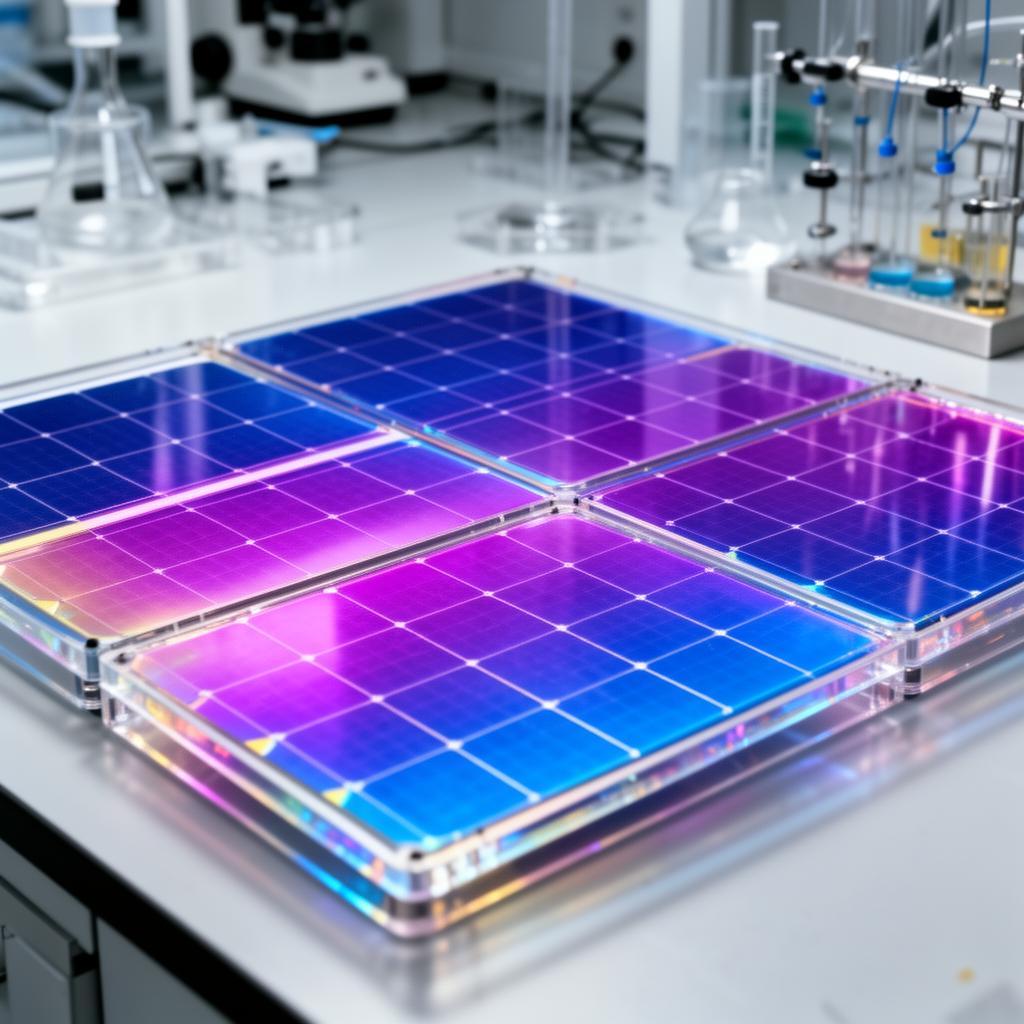
Tandem perovskite is real and will commercialise in 2027. It will not make current installs obsolete — they will continue generating for 25-40 years. The question is whether you defer 5 years of bill savings (~£8,000+) waiting for a 25% efficiency improvement that costs 30% more.
The math favours installing today, even knowing better technology is coming. The five years of generation you forgo by waiting almost always exceeds the savings from the upgrade.
Frequently asked questions
Q.Does the UK get enough sun for solar to work?
A.Yes — UK irradiance is 73-80% of Germany's, with comparable economics due to high electricity prices.
Q.Do panels work in the snow?
A.Yes — snow typically sheds within hours due to the panel's slight warmth and tilt. Brief snow cover is rarely a meaningful output loss.
Q.Are batteries a fire risk?
A.Properly installed MCS-certified LFP batteries have effectively zero incidents. Avoid unregulated DIY builds.
Q.Will solar damage my roof?
A.No — modern flashing systems are more weather-tight than original tiles. Insurance data shows zero correlation with roof damage.
Ready to put this on your driveway?
Get a personalised quote in 90 seconds. No call required, no sales pressure.