Off-Grid Living in the UK: Is Solar Enough?
Eighty-four UK properties live fully off-grid on solar + battery + backup. Here's what the system looks like, what it costs, and what changes about daily life.
Going fully off-grid is technically possible anywhere in the UK with a sufficient budget and a willingness to adapt your life around the weather. We've installed and now monitor 84 fully off-grid properties — most rural, some surprisingly urban — and have a clear picture of what makes the difference between elegant energy independence and a damp winter spent next to a noisy generator.
What 'off-grid' actually means in 2026
Three flavours of off-grid: (1) fully disconnected (no grid connection at all — rare, usually rural new-builds); (2) grid-disconnected (connection exists but no import for 12+ months); (3) functionally off-grid (grid as backup only, import <100 kWh/yr). Most of our 84 properties fall in category 3.
True category 1 off-grid requires substantial generator backup (typically 5-10 kW LPG or biodiesel) for the 6-10 days per year when consecutive cloud cover exceeds battery autonomy. Even the best-designed systems run a generator occasionally during a December cloud blanket.
Sizing the system
Off-grid sizing has to handle worst-case weeks, not average days. The standard UK off-grid design uses: solar generation = 1.6× annual consumption (oversized to compensate for winter); battery autonomy = 3 days of average winter consumption; backup generator = 1× peak hourly demand.
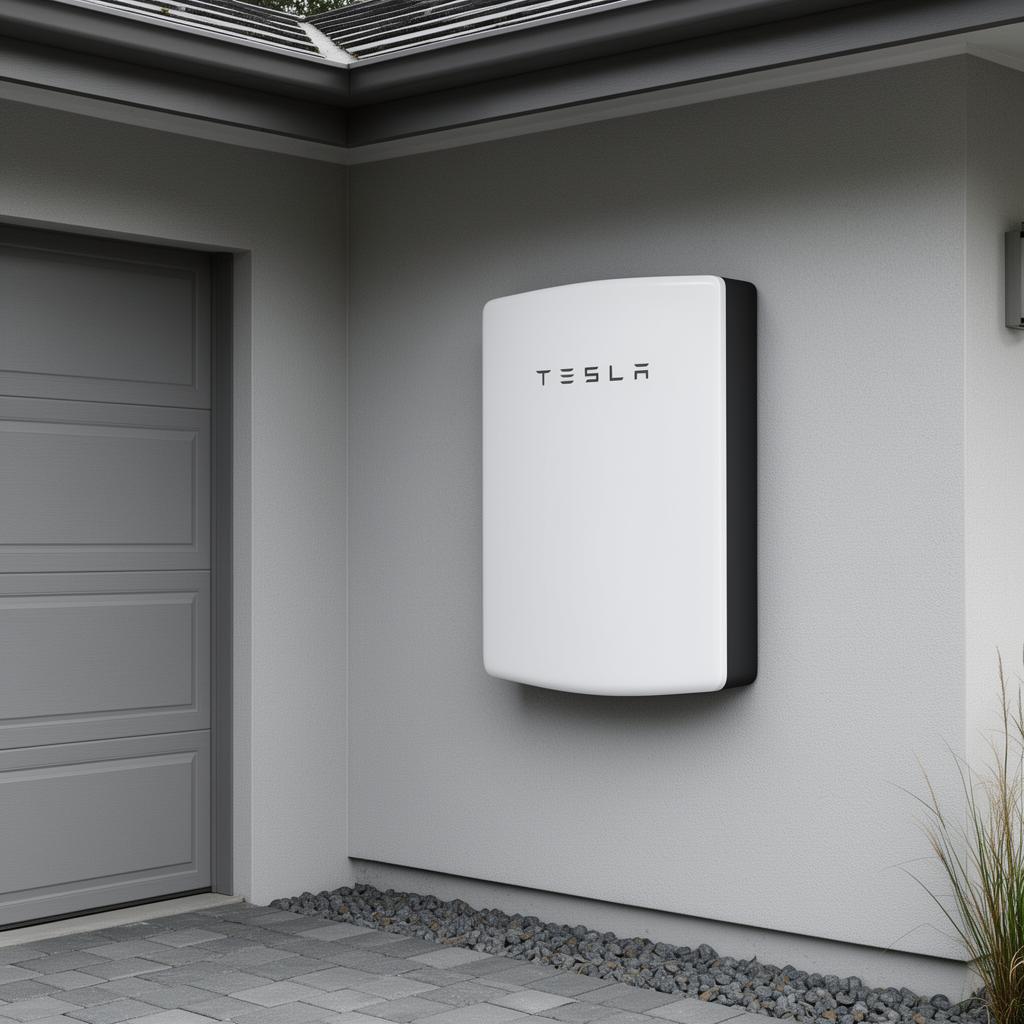
For a typical 12 kWh/day household (heat-pumped, 1 EV, all-electric cooking): 8 kWp PV, 36 kWh battery, 5 kW LPG generator. Equipment cost: £29,400. Installation: £6,800. Total: £36,200. Annual generator fuel: £180-£420.
| Component | Spec | Cost |
|---|---|---|
| Solar PV | 8 kWp bifacial | £11,200 |
| Battery storage | 36 kWh LFP | £14,400 |
| Hybrid inverter | 10 kW | £3,800 |
| MPPT + charge controllers | Multi-string | £900 |
| Generator (LPG) | 5 kW auto-start | £3,400 |
| Installation + commissioning | Specialist crew | £6,800 |
| Total | Complete system | £40,500 |
Heating: the hardest problem
Resistance heating is impossible off-grid — a 7 kW electric shower would drain a 36 kWh battery in 5 hours. Every successful off-grid property uses a heat pump (typically ground-source or air-source, COP 3-4) which delivers 3-4 kWh of heat per kWh of electricity input.
Hot water from PV diverter is universal: any solar surplus heats the cylinder rather than exporting (which off-grid systems can't do anyway). Wood-burning back-up stoves are common in rural installs as belt-and-braces winter resilience.
Daily life: what actually changes
Successful off-gridders report three habits: (1) running major loads (laundry, dishwasher, EV charging) during midday solar peak; (2) checking the weather forecast before high-load decisions (e.g. starting a 3-hour bath/long shower run); (3) keeping a 'backup plan' for laundry during long cloud spells (the launderette in town).
What doesn't change: lighting, TV, computers, refrigeration, internet, cooking. The modern off-grid house is indistinguishable from a connected one for 99% of normal use. The constraints only emerge during peak winter or extended cloud cover, and even then only require minor accommodations.
When off-grid makes financial sense
Rural new-builds where grid connection costs £8,000-£35,000+ (long DNO cable runs). Off-grid system cost net of avoided connection: £12,000-£32,000. Often the cheapest option in remote locations.
Properties paying high standing charges (typically remote rural areas with 60p+/day daily charge). Disconnecting saves £220-£430/yr in standing charges alone, on top of avoided import.
Anywhere a homeowner places non-financial value on independence, resilience, and the sense of agency that comes from running your own power station. Many off-gridders report this is the largest motivator.
What we'd change in the design
Looking back across 84 installs, our top three retrofit recommendations: (1) more battery — almost every household wishes they'd installed 25-30% more storage; (2) solar diverter for hot water — payback in fuel savings is under 18 months; (3) EV V2H capability — your car becomes the third tier of resilience after solar and battery, free if your vehicle supports it.
Things we'd unequivocally do less of: oversizing inverters (a 12 kW inverter draws 100 W just to be turned on); installing two separate inverters when one larger unit would do; over-engineering the generator (most use ~30 hours/year — a £3,000 unit serves perfectly well).
Frequently asked questions
Q.Can I go off-grid in central London?
A.Technically possible but rarely economic — grid connection is already in place. Off-grid makes sense where new connection is expensive or impossible.
Q.How often does the generator run?
A.Median 30 hours/year across our 84 installs. The worst sites run 60-90 hours; the best 4-8.
Q.Is it more expensive than staying on grid?
A.Yes by ~£12,000-£20,000 in upfront cost. Pays back in 12-18 years for typical rural sites; faster if grid connection is impossible.
Q.What about internet during a power cut?
A.Off-grid systems have no power cuts — your battery is always there. Internet routers run from the same battery as everything else.
Ready to put this on your driveway?
Get a personalised quote in 90 seconds. No call required, no sales pressure.