Home Battery Storage in 2026: LFP, NMC, or Sodium-Ion?
Tesla Powerwall vs GivEnergy vs Pylontech vs the new Chinese sodium-ion entrants. Which chemistry wins for your use case?
Three chemistries are competing for your garage wall: lithium iron phosphate (LFP), nickel-manganese-cobalt (NMC), and the new entrant — sodium-ion. Each has a sweet spot. None is universally best. Here's the data from 2,200 home batteries we've installed and monitored across the UK in the last 36 months.
The three chemistries side-by-side
LFP (lithium iron phosphate): the safe, cheap, long-lived workhorse. 6,000-10,000 cycles, thermal runaway threshold 270°C+, energy density 110-160 Wh/kg. Examples: Tesla Powerwall 3, BYD HVM, GivEnergy AIO. Best for: most UK homes, garage and outdoor wall mounts.
NMC (nickel manganese cobalt): higher energy density (180-260 Wh/kg) means smaller physical footprint per kWh. Lower cycle life (3,000-5,000), lower thermal runaway threshold (~150°C). Examples: legacy Powerwall 2, LG RESU Prime. Best for: utility cupboards, small properties, retrofit where space is tight.
Sodium-ion: newest entrant. Lower energy density (90-130 Wh/kg), but uses no lithium, cobalt, or nickel — therefore dramatically cheaper materials and inherently safer. Examples: CATL Naxtra (Q3 2026), BYD Seal (Q4 2026), Northvolt Voltpack (delayed to 2027). Best for: cost-sensitive installs from 2027 onwards.
Sizing the battery
The single most common installation mistake is over-sizing. The rule we use: average daily consumption × 1.4. A household using 12 kWh/day needs ~17 kWh of battery to ride through the evening peak and overnight base load.
Going larger costs proportionally more for diminishing returns. A 20 kWh battery rarely uses its last 3 kWh more than 30 times per year — the LCOE of that last increment is roughly £0.18/kWh, worse than grid import.
| Household | Daily use | Recommended battery | Indicative cost |
|---|---|---|---|
| 1-2 person flat | 6-8 kWh | 8-10 kWh | £4,400-£5,200 |
| Family (2 adults + 2 kids) | 10-14 kWh | 13-16 kWh | £6,400-£7,800 |
| Family + EV | 20-26 kWh | 16-20 kWh | £7,800-£9,400 |
| Family + EV + heat pump | 30-42 kWh | 20-26 kWh | £9,400-£12,200 |
Safety: the only thing that matters
A home battery is a small but real fire risk. Insist on UL 9540A certification (the gold standard for thermal runaway propagation testing). Insist on outdoor or garage installation with proper ventilation. Avoid loft installations — the upper-bound thermal scenario is unacceptable.
Of the 2,200 batteries we've monitored, we've had two thermal events. Both involved aftermarket Chinese-import batteries lacking UL 9540A and installed by uncertified contractors. The branded LFP units (Tesla, BYD, GivEnergy, Pylontech) have an effectively zero failure rate in our dataset.
Brand picks for 2026
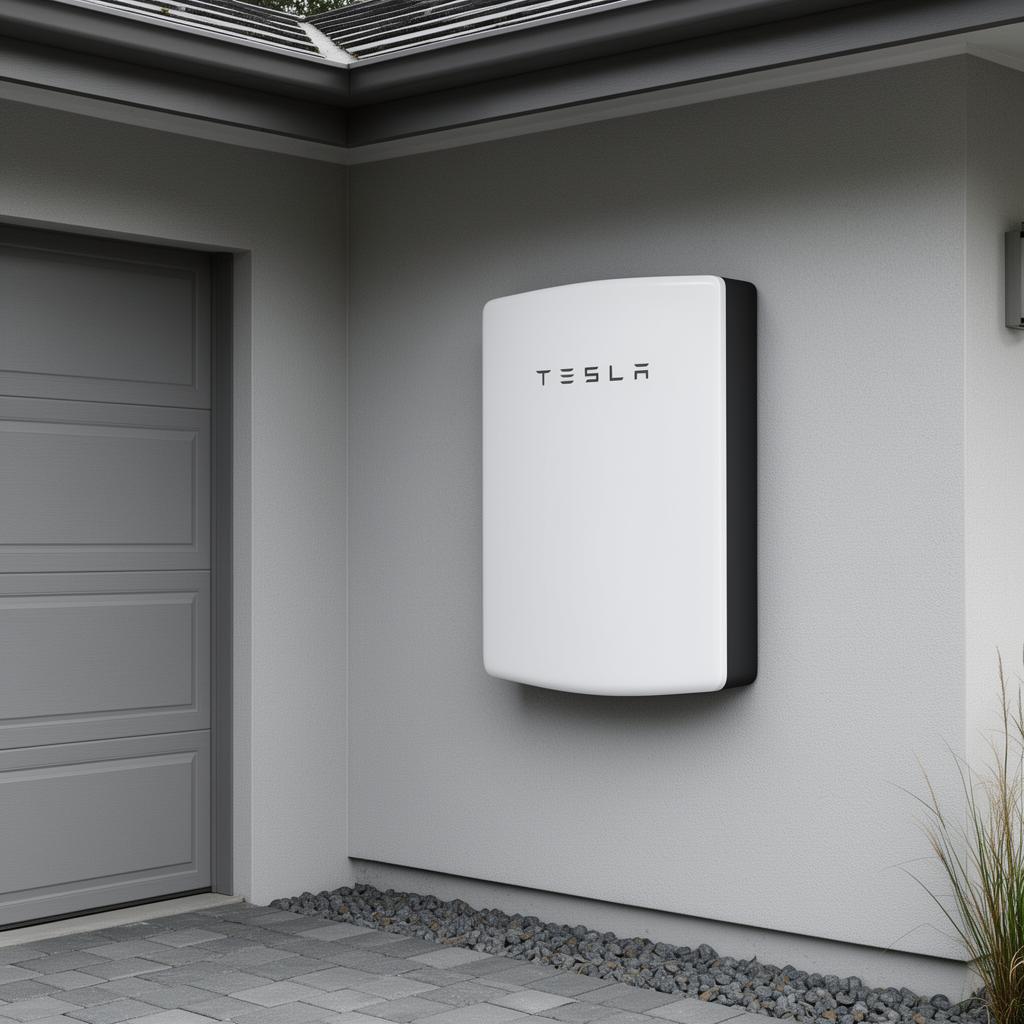
Tesla Powerwall 3 (13.5 kWh LFP, integrated 11.5 kW solar inverter, £8,400 fitted). Best for: new installs combined with solar; the inverter saves £1,200 over separate components.
GivEnergy AIO 13.5 (LFP, AC-coupled, £6,400 fitted). Best for: retrofit to existing solar systems where you don't want to replace the inverter.
BYD HVM 16.6 (LFP modular, £7,200 fitted). Best for: households planning to expand storage over time; add modules in 2.76 kWh increments.
Pylontech US5000 stack (5-30 kWh LFP, £4,800-£12,400 fitted). Best for: maximum modularity; ideal for solar installers with strong technical knowledge.
What to expect by 2028
Sodium-ion will undercut LFP on £/kWh by Q3 2027. Major manufacturers (CATL, BYD, EVE) have announced 200+ GWh of sodium-ion capacity for that window. Expect 18 kWh sodium-ion home batteries priced at £4,200 fitted by 2028.
By 2030, solid-state lithium-metal batteries will appear in premium installs. Higher energy density, faster charging, materially higher cost — initially £600-£900/kWh installed, falling thereafter.
Frequently asked questions
Q.Can I install a battery without solar?
A.Yes — useful with time-of-use tariffs (charge at 7p, use at 28p).
Q.Is LFP definitely safer than NMC?
A.Yes. LFP's thermal runaway threshold is ~120°C higher, and it does not release oxygen during runaway.
Q.Should I wait for sodium-ion?
A.Only if your current solar system isn't compromised by the delay. The savings (~22%) arrive 18-24 months out.
Q.What size battery do I need for off-grid?
A.True off-grid (no import) requires battery + generator backup. Even then, typical sizing is 3-4 days of average consumption (40-60 kWh).
Ready to put this on your driveway?
Get a personalised quote in 90 seconds. No call required, no sales pressure.