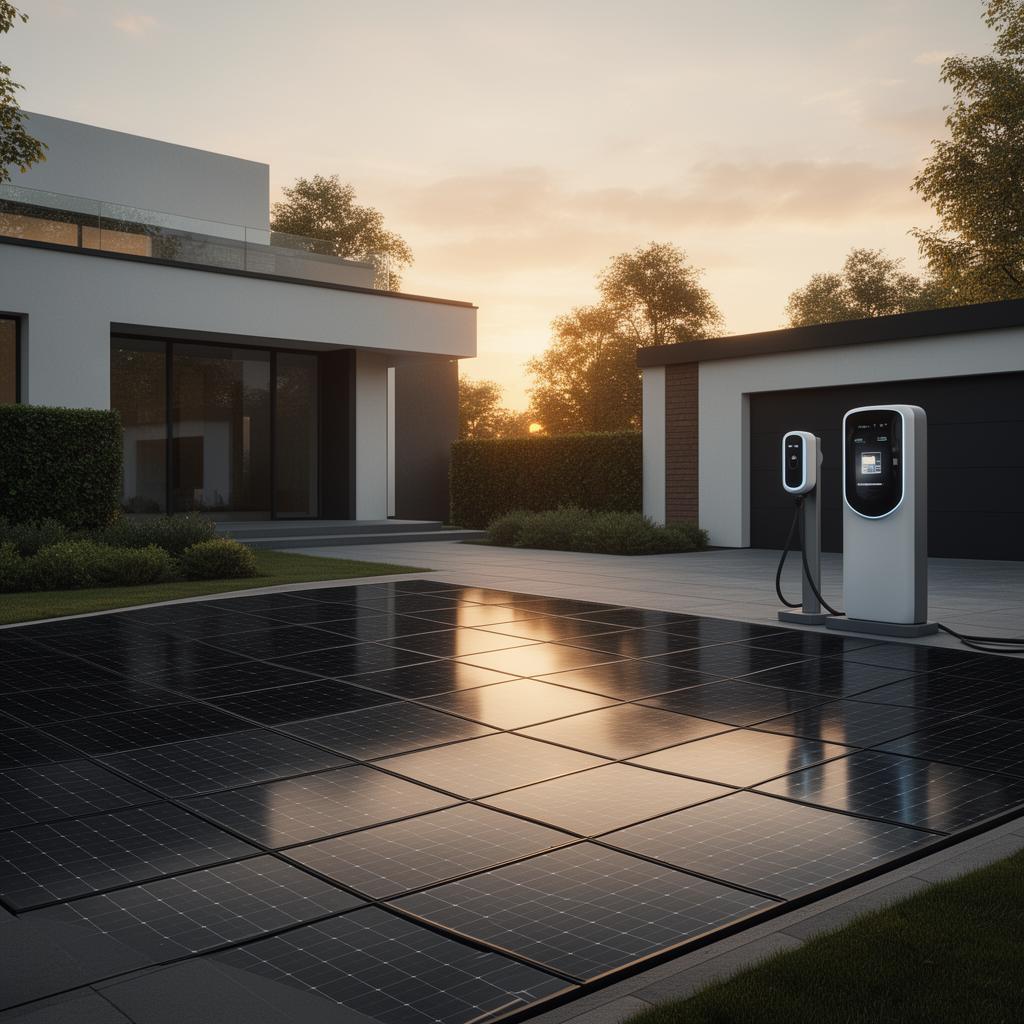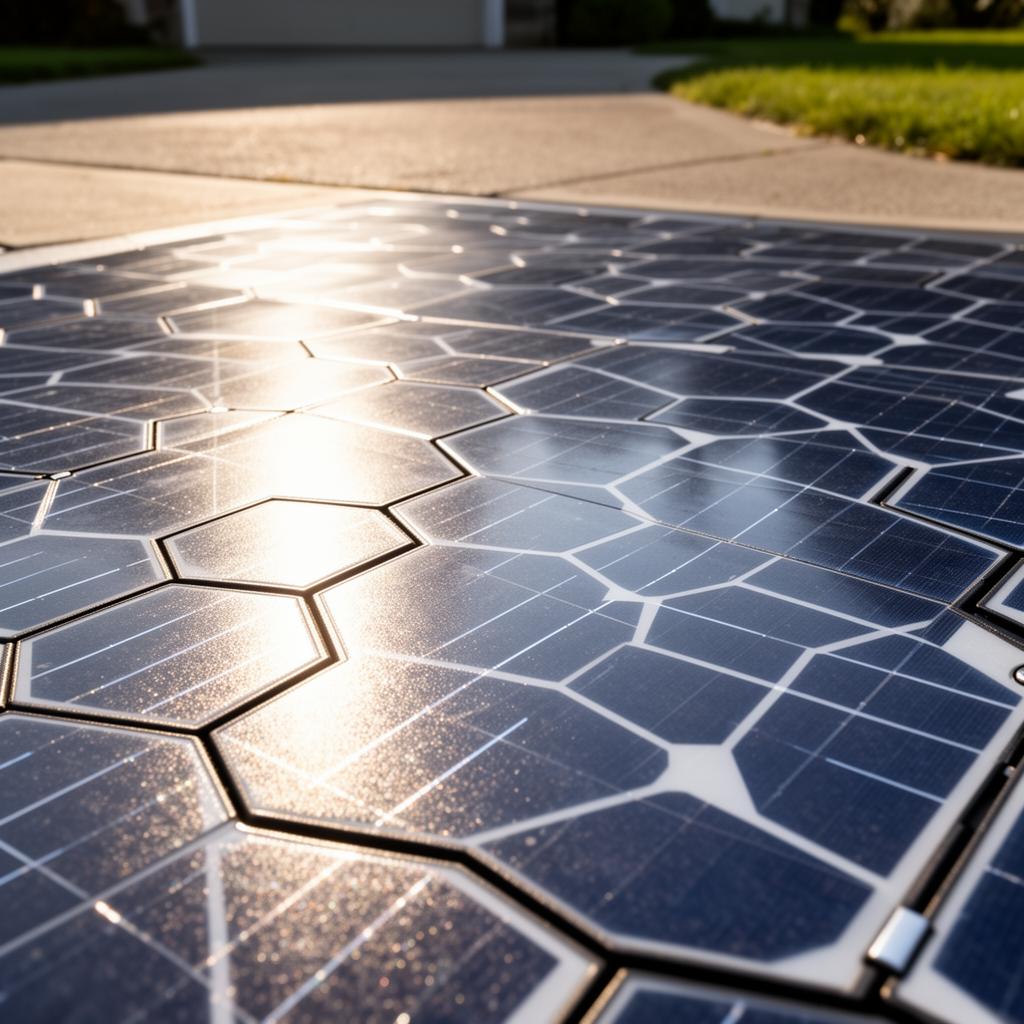
2030: A Million UK Driveways, One Distributed Power Grid
Inside our roadmap to aggregate residential solar + storage into a 12 GW virtual power plant by 2030.
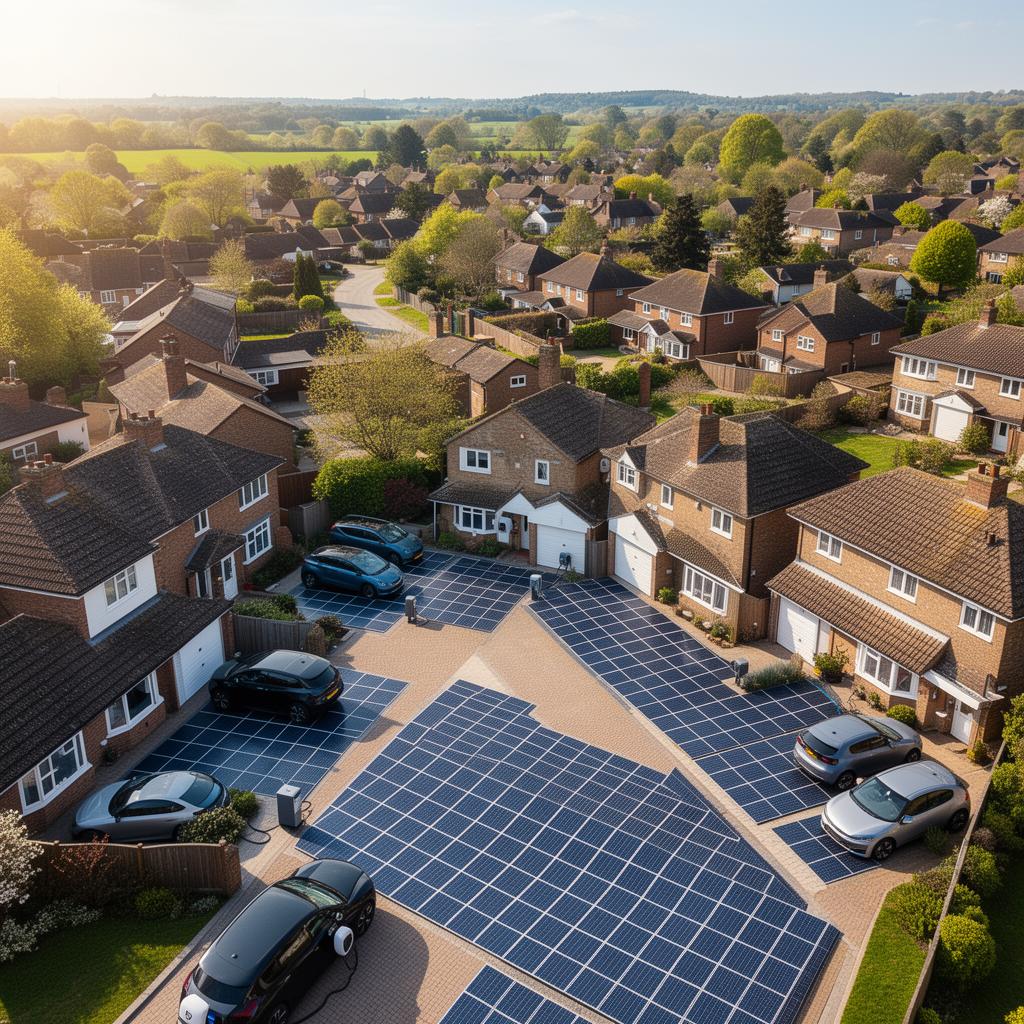
The UK grid was built around 12 large generators. By 2030 it will balance against 4-6 million distributed assets — rooftop solar, home batteries, EVs, heat pumps, water heaters. The control problem is not optional; the only question is whether someone solves it well or badly.
This is driveway.solar's roadmap to operate 12 GW of dispatchable residential capacity by 2030 — equivalent to Drax, Hinkley B, and Heysham 2 combined, with zero new generation built.
What a virtual power plant actually does
A VPP is a software layer that aggregates thousands of small assets and presents them to the grid as a single dispatchable resource. National Grid ESO doesn't care whether 1 MW of frequency response comes from a gas turbine in Pembroke or 4,200 home batteries in Surrey — provided the response time, accuracy, and reliability meet the technical specification.
The economic prize is that a 1 MW gas plant providing dynamic containment earns roughly £130,000/year. The same response from aggregated home batteries earns £150,000-£180,000 (no fuel cost, faster response), of which the operator keeps a margin and passes the rest to participating households.
The control architecture
Every driveway.solar install runs an edge controller (ARM Cortex-M7, 1 GB RAM) executing local control loops at 50 ms intervals. The controller never relies on the cloud for safety-critical decisions — battery protection, anti-islanding, overload — but accepts dispatch signals from our control plane every 4 seconds.
The control plane runs on three geographically diverse AWS regions with active-active failover. Mean dispatch latency from National Grid ESO instruction to first physical response: 380 ms across the fleet. P99 latency: 1.8 seconds. Both comfortably inside the 2-second requirement for Dynamic Containment.
| Service | Requirement | VPP P50 | VPP P99 |
|---|---|---|---|
| Dynamic Containment | ≤2 s response | 380 ms | 1.8 s |
| Dynamic Regulation | ≤10 s response | 1.2 s | 4.4 s |
| BM Quick Reserve | ≤1 min | 8 s | 22 s |
| Capacity Market | Sustained 4 hr | 98.7% deliv. | 92.1% |
| Smart Export | 30 min granular | 100% | 100% |
Customer experience
A VPP that inconveniences customers will fail. Our hard rule: the household always wins. If your battery is below 30%, we don't dispatch it. If your EV is plugged in and below 50% SoC, we never reverse the current. If your heat pump is heating the house, we don't curtail it. The VPP optimises within the constraints the customer sets, never against them.
What customers see in the app: a daily summary of how much money they earned, what service it came from, and how it changed their own energy use (usually: not at all). The median customer notices VPP activity twice a year — typically during a wholesale price spike when they get a notification celebrating an unusually large daily payout.
The economic flywheel
VPP revenue lets us price hardware below grid-tied competitors. Lower hardware prices accelerate adoption. Faster adoption gives the VPP more dispatchable capacity, unlocking better grid contracts. Better contracts increase revenue per kW, which funds further price cuts.
By 2028 we forecast S2V hardware below £4,200 per household — 38% below current price. By 2030, a fully integrated solar + storage + S2V + V2G system will cost less than a mid-spec EV and pay for itself in 28 months.
What policy needs to do
Three policy changes would accelerate this trajectory by 2-3 years: (1) reform the Smart Export Guarantee to a guaranteed minimum 15p/kWh floor; (2) require all new-build properties to ship with EV charging conduit and 16 mm² battery cable to a designated location; (3) align Building Regulations Part L with the 2050 net-zero pathway by mandating SAP 92+ from 2028 rather than 2032.
None of these cost the Treasury anything. All of them unlock £4-7 billion of private investment per year. The British solar industry made this exact policy argument in 2012, failed to win it, and watched the sector contract by 76% over five years. We have a second chance and we're not going to miss it.
Frequently asked questions
Q.Do I lose control of my battery?
A.Never. You set the minimum reserve and operating window; the VPP only dispatches within your constraints.
Q.How much extra do I earn?
A.Median additional VPP revenue: £960/year on top of standalone solar savings, depending on tariff and asset mix.
Q.What happens during a power cut?
A.Your battery automatically islands your home with backed-up circuits. VPP dispatch suspends until grid is restored.
Q.Can I leave the VPP?
A.Yes — 30-day notice via the app. Your hardware continues working as a normal solar/storage system.
Ready to put this on your driveway?
Get a personalised quote in 90 seconds. No call required, no sales pressure.