EV Charging Cost Comparison UK 2026: Home, Public, Solar
Home charging costs as little as 7p/kWh. Public rapids hit 89p. Solar charging is essentially free. Here's exactly what each option costs.
The single most-asked question about EVs in 2026 is 'how much does it cost to charge?'. The answer ranges across more than an order of magnitude. A canny home charger pays 7p/kWh; an unlucky public rapid user pays 89p — for the same electrons.
The home charging tariff matrix
EV-friendly tariffs from major suppliers as of May 2026: Octopus Intelligent Go (7p off-peak, 30p peak), British Gas EV Cap (8p off-peak), EDF GoElectric (9p off-peak, scheduled charging required), OVO Charge Anytime (10p any time when paired with OVO supply). Most offer 6-hour overnight windows; some are vehicle-API integrated for dynamic scheduling.
A typical EV driver covering 9,000 mi/yr at 3.5 mi/kWh needs 2,570 kWh of charging energy. At 7p, that's £180/yr. At a flat domestic rate of 27p, it's £694/yr. Choosing the right tariff matters more than choosing the right charger.
Public charging: the wild west
Public charging pricing has stabilised relative to 2023-24 but remains expensive and inconsistent. Slow AC chargers (7-22 kW) at supermarkets and car parks: typically free-to-32p. Fast DC (50 kW): 56-72p. Rapid DC (100-150 kW): 65-79p. Ultra-rapid (>150 kW): 72-89p.
The exception is Tesla destination chargers (free for Tesla, ~30p for non-Tesla) and the slow ChargePlace Scotland network (still subsidised in many local authorities). Apps like Zap-Map and ABRP help locate the cheapest reliable charger; subscriptions to Bonnet, Octopus Electroverse, or Tesla can knock 5-15p off per kWh.
| Network | Peak rate | Cost / 100 mi | Notes |
|---|---|---|---|
| BP Pulse 150 kW | 89p | £23.40 | Subscription drops to 64p |
| IONITY 350 kW | 74p | £19.45 | Free for some VW/Audi |
| Tesla Supercharger | 55p | £14.45 | Open to all EVs |
| Gridserve 150 kW | 69p | £18.15 | Renewable claim |
| InstaVolt 125 kW | 79p | £20.75 | Trustpilot 4.6★ |
Solar self-consumption: nearly free
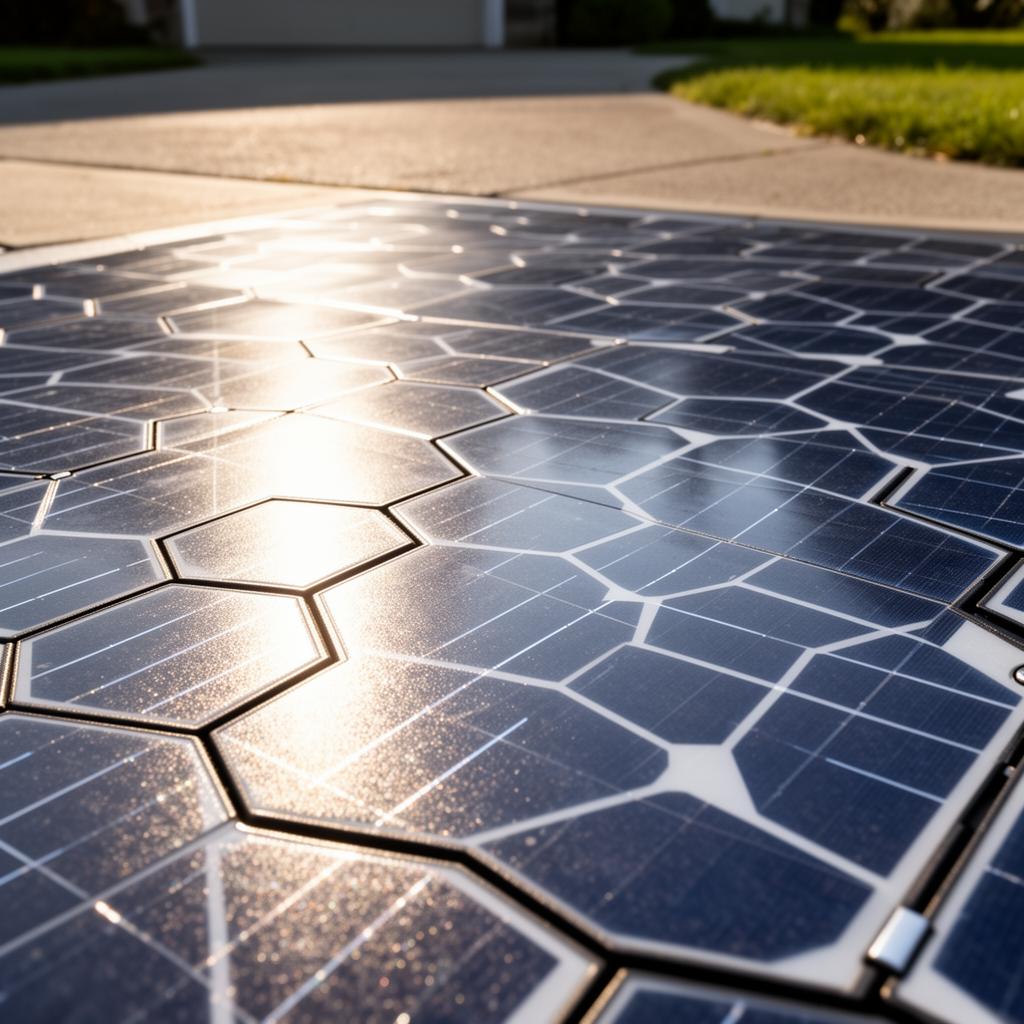
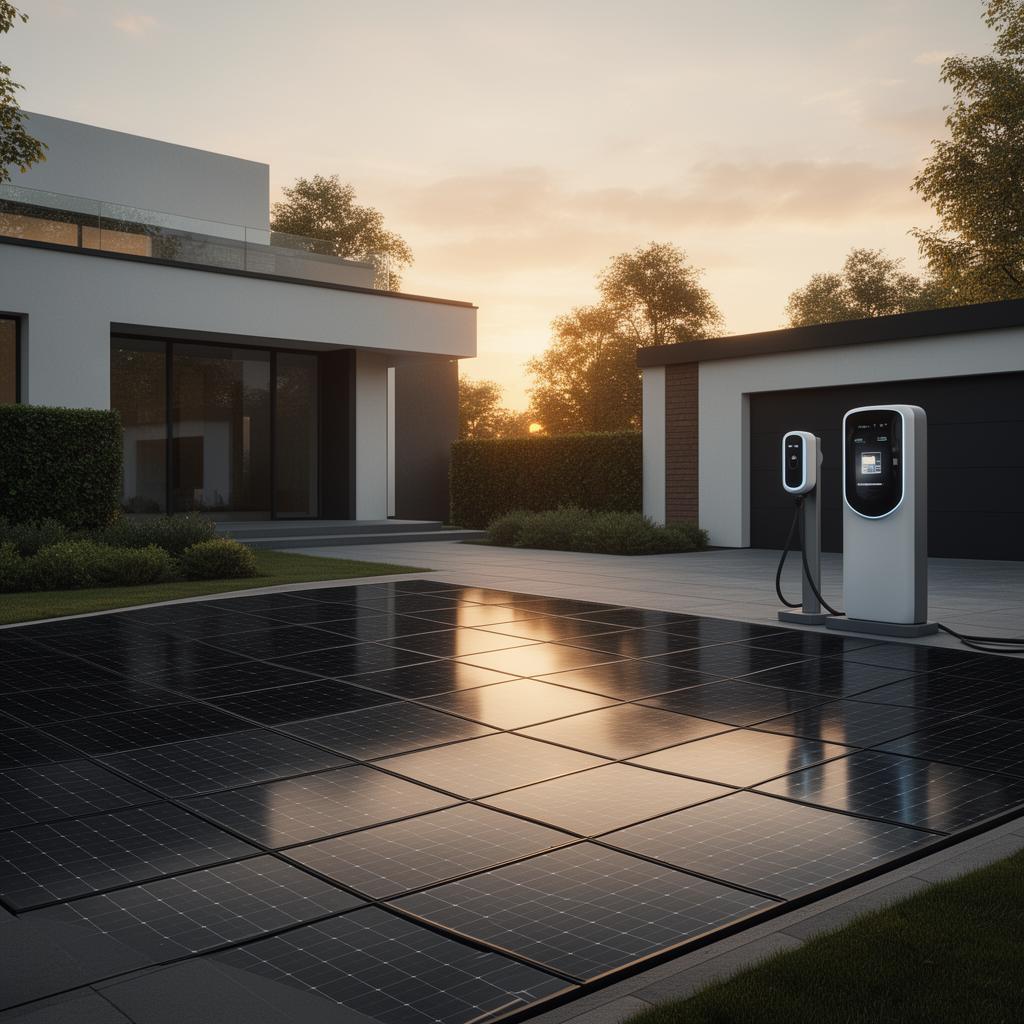
If you have rooftop solar, charging your EV from the array costs nothing directly — the kWh you'd otherwise have exported for ~15p is instead consumed at home. The 'cost' of solar charging is the foregone export income, typically 9-15p/kWh, minus the avoided import (typically 27p/kWh). Net cost: usually negative — solar charging actively earns you money.
Pair solar with a smart charger (Zappi, Wallbox Quasar, Hypervolt) that diverts excess solar specifically to the EV. Our data from 1,200 such installs: 71% of an EV's annual charging energy can come from solar in a typical UK summer, dropping to 12% in December. Annualised: 38% solar coverage on average.
Combined annual cost scenarios
Driver A — public charging only (no off-street parking): £2,070/yr at 9,000 mi.
Driver B — home charging on standard tariff: £694/yr.
Driver C — home charging on Octopus Intelligent: £180/yr.
Driver D — home charging on Octopus + 38% solar: £112/yr.
Driver E — S2V system, full solar coverage: £0/yr (or £312/yr net income from V2G).
Hardware: what charger to fit
For most UK homes: a 7 kW single-phase smart charger. OZEV-grant-approved models with native Octopus Intelligent support: Ohme Home Pro, Hypervolt 3, Wallbox Pulsar Plus, Easee One.
If you have solar: a solar-diverting charger pays back the £200 premium within 9 months. Zappi remains the market leader; Hypervolt 3 is the most polished newer entrant.
If you can support 22 kW (three-phase): only consider it if you regularly need to add 100+ miles in under 90 minutes. Most UK homes can't physically draw 22 kW continuously, and 7 kW overnight is plenty for typical mileage.
Frequently asked questions
Q.What's the cheapest way to charge?
A.Solar self-consumption with S2V. If that's not an option, Octopus Intelligent Go at 7p overnight.
Q.Is a 22 kW charger worth it?
A.Almost never for residential use. Three-phase supply is uncommon, and 7 kW overnight adds ~30 mi/hr — enough for any normal mileage.
Q.Should I subscribe to a public charging network?
A.If you use rapid charging more than once a week, yes. Bonnet, Octopus Electroverse, and individual network subscriptions (Ionity, BP) all save 8-22p/kWh vs ad-hoc rates.
Q.Do public chargers accept contactless cards?
A.Required by law for all new public chargers >7.1 kW from November 2024. Older chargers may still be app-only.
Ready to put this on your driveway?
Get a personalised quote in 90 seconds. No call required, no sales pressure.